Ready to Eat Fish: A Smart Choice For Retail Shelves

Shelf space is one of the most contested resources in retail, and seafood is no exception. Ready to eat fish has moved from a niche convenience item to one of the fastest-growing categories in the seafood aisle, sitting somewhere between the fresh fish counter and the freezer section. For retailers deciding what earns its place on the shelf, the case for ready to eat fish keeps getting stronger and the reasons go beyond simple convenience.
What is ready to eat fish, exactly?
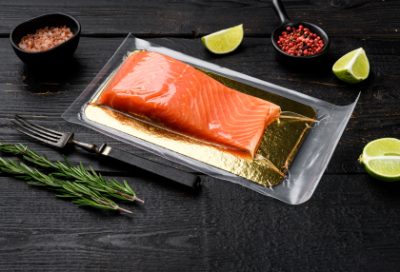
Ready to eat fish is seafood that has already been cooked, portioned and packaged, so there’s no filleting, deboning or marinating left to do. A salmon fillet arrives lightly smoked and ready to slice onto a salad. A sea bass fillet comes breaded and oven-baked, ready to reheat in minutes. A shrimp pack arrives precooked, ready to toss straight into a stir-fry or a bowl of pasta.
The preparation work that used to happen in a restaurant or home kitchen has already been done, under controlled, food-safe conditions, before the product ever reaches the shelf. That includes trimming, portioning to a fixed weight, and depending on the format grilling, baking, smoking or breading, all handled in facilities built specifically for that level of consistency. The result is a product shoppers can trust to look and taste the same way every time they buy it.
Why shoppers are choosing ready to eat fish
Time is the main driver. Fewer households cook from raw ingredients every night, but interest in eating more fish hasn’t gone away, if anything, it has grown alongside awareness of the health benefits of omega-3s and lean protein. Ready to eat fish closes that gap. It gives shoppers the nutritional upside of seafood without asking them to handle raw fish, deal with bones, or plan a recipe from scratch.
It also removes some of the barriers that keep people away from fish altogether. Not everyone is confident in cooking seafood and the smell, mess and short shelf life of raw fillets put plenty of shoppers off buying it in the first place. A pre-cooked, fixed-weight pack sidesteps all of that, which helps bring in shoppers who might otherwise default to chicken or red meat out of habit.
For shoppers looking for their use in seafood recipes, ready to eat fish also travels well beyond the dinner plate. A pack of salmon patties can turn into a quick salad, breaded sea bream pairs easily with roasted vegetables, and lightly smoked salmon works just as well folded into a quinoa bowl as it does on its own the kind of flexibility that keeps a product relevant across more occasions than a traditional fillet counter.
The retail case: less waste, steadier margins
For retailers, the appeal goes beyond consumer demand. Ready-to-eat fish is sold at a fixed weight, which makes pricing and stock control easier to predict than fresh counter seafood, where portioning and yield can vary from one fillet to the next. It also tends to have a longer shelf life than raw fillets, which cuts down on shrinkage and reduces the pressure to discount stock before it expires.
Sourcing matters here too. Products built on responsibly farmed salmon, Mediterranean-raised sea bass and sea bream, and traceable shrimp supply chains give retailers a story worth telling on-shelf, not just a convenience product. The category also brings the same range already trusted across the foodservice sector onto retail shelves, so products built for restaurants and caterers become just as viable in a supermarket or deli chiller.
A closer look at what’s on the shelf
Most ready to eat seafood ranges build around a handful of species that shoppers already recognise:
Norwegian salmon is usually the anchor of the category. Sourced from certified farms and processed into smoked, marinated or oven-baked formats, patties, nuggets, skewers and bite-sized pieces that need nothing more than a fork, salmon benefits from high-volume processing, which keeps a wide range of cuts and formats in steady supply, from whole portions to snack-sized bites.
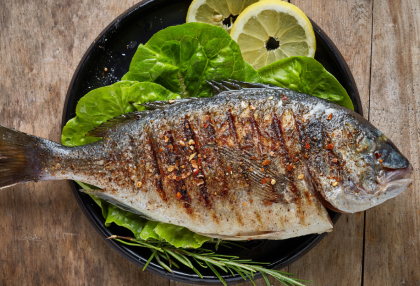
European sea bass, often sold as branzino, works well grill-marked or breaded, giving shoppers a Mediterranean classic without the bones or the prep. Farmed in the clear waters of the Mediterranean, it has a delicate, flaky texture that holds up well to reheating.
European sea bream follows a similar format: pre-cooked fillets, grill-marked or breaded, with the mild, slightly sweet flavour that makes it one of the most popular fish on Mediterranean tables. It’s also one of the more forgiving species to farm, which helps keep supply consistent year-round.
Vannamei shrimp rounds out most ranges. It’s mild, quick to prepare, it’s breaded as well and versatile enough to sit alongside salmon and white fish rather than compete with them.
Together, these four categories cover most of what a ready-to-eat seafood range needs to earn its place on a retail shelf.
Where ready to eat fish fits next
As more shoppers look for meals that are quick, nutritious and low-effort, ready-to-eat fish is well placed to keep gaining shelf space rather than losing it. A wider ready-to-eat seafood range, spanning salmon, sea bass, sea bream and shrimp, gives retailers a way to offer variety without adding complexity behind the counter and gives shoppers one more reason to trust what’s on the shelf.
Built on quality, from farm to fork
None of this works without consistency further up the supply chain. Ready-to-eat ranges built on IFS and Global G.A.P.-certified sourcing, processed in facilities designed for high-volume output, give retailers fewer surprises: the same texture, the same portion size, the same taste, batch after batch. That kind of consistency is what turns a one-off purchase into a repeat one, which matters more to a retailer’s bottom line than almost anything else on the shelf.